
TÀI XẾ XE TẢI MỚI ĐÚNG LÀ KHÁCH SỘP
Có chiếc xe tải đang tới kìa. Hi vọng họ dừng lại nhưng đừng có làm hoài những thói bần tiện như trước. Này Al, Khi ta làm ở khách sạn Albuquerque, ta thấy họ chuyên ăn cắp vặt. Xe càng to thì họ càng ăn cắp nào khăn tắm, nào đồ mạ kền, nào hộp đựng xà phòng nhiều thứ lắm ta không kể hết.

-Này Al, hơi buồn mà nói với cậu rằng, cậu biết xe lớn có khách sộp hơn ở đâu vậy? Đã sinh ra làm cái nghề với thứ xe này cậu chẳng khá gì đâu.
Chiếc xe chở hàng có một tài chính cùng một tài phụ.
Rồi họ dừng lại mua một ly cà phê Java ra sao?
Ta biết chẳng khá mấy.
Rồi họ dừng lại mua một ly cà phê Java ra sao?
Ta biết chẳng khá mấy.
Công việc xong chưa?
Ồ, chúng ta xong trước hết rồi !
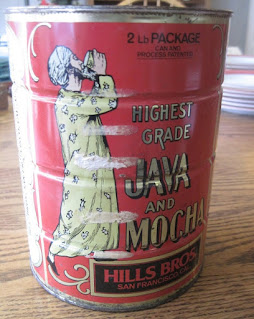 Java Coffeee in 1930

Họ dừng rồi. 'Con ngựa chiến già' dừng tại đây rồi. Thật khoái có cà phê Java thơm ngon nữa đây.
Chiếc xe vận tải dừng lại. Hai gã tài bận loại quần tài xế, giày cao cổ, áo jacket ngắn, đội mũ lưỡi trai kiểu nhà binh. Cánh của kiếng đóng sầm lại.
- -Chào em Mae, làm ăn sao rồi?
- -Tốt quá, dù sao cũng không phải Bill Bự của Gã thị Trưởng Big BillThe Rat (vụ tranh chức thị trưởng Chicago "Big Bill the Rat") Anh đi bao lâu mới về lại vậy?
-Cả tuần rồi ...

đồng 5 xu (nickel) 1930
Gã kia thì đặt đồng 5 xu (nickel) vào cái máy dĩa phono, xong chăm chú nhìn cái cần gắp dĩa nhạc tự động chọn cho ra giọng hát vàng của Bing Crosby mới thôi ...
"Thanks for the memory, of sunburn at the shore- You might have been a HEADACHE, but you never were a BORE ..."
tiếng hát của bản nhạc xưa THANK FOR MEMORIES cố ca sĩ Bing Crosby (1903-1977)
Gã tài vừa hát theo cố trại giọng chọc cười cho Mae nghe----you might have been a HADDOCK but you never was a WHORE---
Mae cười phá lên.
-Ông bạn nào thế hả Bill ? vừa quen nhau trên đường phải không?

Gã tài đầu tiên đặt đồng 5 xu vào cái máy kéo đánh bạc, thắng 4 bận, xong cất tiền lại rồi bước tới quày.
-Ô, thắng không?
-Cho một ly Java, có bánh mứt gì nào?
-Kem chuối, kem thơm, kem sô cô la trộn táo.
-Cho kem trộn táo!
-Khoan đã!
-Cái lớn kia là gì vậy ?
Mae đỡ cái lớn nhất xuống và ngửi:
-Kem chuối.
Cắt một miếng thật lớn và làm cái bánh kem chuối lớn nhất cho khách.
Gã đang đứng tại máy đánh bạc lên tiếng:
- Cho luôn hai cái đi bà!
-Hai bánh đây. Này Bill! kiếm ra cái tranh khắc nào không?
-Ồ, có một cái đây.
- Trước đàn bà phải cẩn thận một chút đấy.
-Ồ, không can gì đâu. Ngày xưa học trò nhỏ đi học trễ thầy giáo bảo, 'Sao lại trễ?' học trò thưa 'con phải đem bò cái đi phối giống'.Thầy lại nói 'sao ông già con không làm được à?' Học trò trả lời, 'Ông già chắc làm được, nhưng đâu có khoẻ bằng bò đực hả thầy'...
Mae cười lên khành khạch, giọng cười của bà nghe khô khốc làm sao. Al đang cắt hành trên thớt, nghe vậy vội ngước lên cười theo. Xong anh ta vội cúi xuống tiếp tục.
Rõ ràng tài xế xe tải mới là khách sộp "đáng phục vụ" (what a stuff). Cứ mỗi lần mua, họ sẽ trả hai muơi lăm xu gồm 15 xu tiền bánh cùng cà phê và mười xu tiền cho Mae. Họ chẳng nhọc công lo thêm gì nữa.

Khách ngồi ghế, những cái thìa còn dựng trên miệng cốc cà phê suốt ngày. Lúc này, Al lo cạo cái vĩ nướng thịt. Tai anh chàng thưởng thức nhạc nhưng im lặng chẳng bình phẩm gì.
Tiếng hát của Bing Crosby đã ngưng. Cái dĩa hát được gắp trở về nằm lại vị trí chồng dĩa. Ngọn đèn tím trên mặt máy vụt tắt. Đồng năm xu (nickel) đã điều khiển một sức mạnh máy móc- khiến cho Crosby hát. Ban nhạc trong máy trổi lên, đồng nickel đó từ cái lỗ vừa rơi tòm vào hộp đựng tiền- nơi nguồn lợi phát sinh. Đồng năm xu đó hẳn khác so với nhiều loại tiền cùng loại; do nó biết hoàn thành công việc hoàn hảo. Nó chịu một 'trách nhiệm vật lý' đối với một hoạt động nào đó.
CHÚNG TÔI CHỈ CÓ 10 XU THÔI, THƯA BÀ

đồng 10 xu 1930
Hơi cà phê bốc ra phùn phụt từ chiếc bình. Máy nước đá thỉnh thoảng cho ra một nhúm đá lạnh xong lại ngưng. Chiếc quạt điện tận góc phòng quay lui tới đều đều, đẩy luồng hơi nóng ra khỏi phòng.
Trên Xa lộ 66 xe cộ vẫn ầm ầm chạy qua.
-Họ có ghé đây, phần nhiều là xe từ tiểu bang Massachusetts cả.
Mae nói như giải thích.
Mae nói như giải thích.
Bill Bự túm miệng ly, sao cho cái muỗng cà phê lọt giữa hai ngón tay đầu và thứ hai. Gã phà mạnh hơi cho nguội bớt cà phê:
-Mấy người chắc phải tránh xa khỏi con lộ 66 này thôi. Xe đâu mà nhiều thế? Làm như tất cả xe của nước này đều dồn vào con đường 66? Chiếc nào cũng đều hướng mũi về hướng tây. Ta chưa bao giờ thấy cảnh này. Thật thế, có vài chiếc trông rất đẹp nữa.
Gã đi theo phụ hoạ:
-Sáng nay tụi này còn thấy một xác xe...

-Đúng, có chiếc xe bị đụng. Chiếc Bid Cad màu kem chuyên chở hàng, nó đụng với chiếc xe tải khác. Cái két nước bẹp dí lui phía tài xế. Phải lúc này chắc chạy đến 90 dặm một giờ là ít. Tay lái móc vào tài xế làm anh ta đu đưa như con ếch bị móc đong đưa vậy. Chiếc xe giờ chẳng còn gì. May lúc đó chỉ có mình tài xế thôi.
Al đang làm ngước lên:
-Thể chiếc tải kia ra sao?
- Giê Su ơi! chẳng phải xe tải chở hàng. Chiếc thứ hai này thì toàn là nồi niêu, song chảo, nệm ngủ, con nít và cả gà nữa! Chú mày biết đó, họ cũng lái về hướng tây cả. Khi ngang tụi này, chiếc đó chạy tới chín mươi, cố qua mặt chúng ta. Họ nhắm mắt mà lái, đúng lúc chiếc kia ngược chiều chạy lại. Chúa ơi! cái cảnh áo quần tung toé bay lên trời, nào gà nào trẻ con. Tụi này dừng lại. Một đứa nhỏ chết, ông già lái xe đứng chết trân ngó xác em nhỏ không nói được lời nào giữa đống xà bần. Lạy Chúa Toàn Năng, trên đường lúc này sao đầy những gia đình khốn khổ. Họ đổ xô về hướng tây làm gì? không biết thứ khốn nạn nơi nào đã xô đẩy họ phải ra đi như thế?
Mae chen vào:
-Không biết tại sao họ đi hết như thế ? có lúc họ ghé mua ít xăng nhưng chẳng khi nào thấy họ vào mua nỗi cái gì thêm ở đây. Người ta đồn họ hay ăn cắp, nên tiệm này chẳng bỏ gì ở phía ngoài, do đó chẳng bị mất gì.

Bill Bự vừa thong thả nhai bánh vừa nhìn ra khung cửa kiếng:
-Lo cột chặt đồ của bà lại đi, thứ dân bà vừa nói xấu đó đang tới kia kìa!

Chiếc xe bốn cửa hiệu Nash dừng lại bên đường. Băng sau chiếc xe, nào túi nào xách, song, nồi chất cao gần đụng trần. Có hai đứa nhỏ ngồi mọp trên đó. Trên mui xe, họ còn cột nệm, cùng một tấm bạt dựng trại được xếp lại, các lỗ tấm bạt được buộc chặt vào mui. Chiếc Nash đó trờ tới cột bán xăng.

ghi chú của người dịch
trong cuốn phim drama do John Ford đạo diễn đã sai với nguyên tác của John Steinbeck do lấy cảnh Pa và 2 đứa nhỏ út winsfield và Ruthie nếu ta đọc nguyên tác ở dưới là người khác với trong phim (khuôn mặt mập mạp mái tóc đen)
Chiếc xe trong truyện là Nash còn gia đình Joad đi xe Hudson đời cũ theo nguyên tác
Một người đàn ông có khuôn mặt mập mạp, mái tóc đen chậm chạp bước ra. Hai đứa con nít trườn ra khỏi đống đồ nhảy xuống đất.
Mae vòng qua quày hàng bước gần ra đứng gần cửa. Gã đàn ông bận chiếc quần nỷ xám, chiếc sơ mi xanh đậm, lưng nách ướt đẫm mồ hôi. Hai đứa nhỏ chẳng có gì ngoài chiếc quần treo vá víu tả tơi. Tóc chúng vàng nhạt, dựng đứng đều nhau như bàn chải. Hai khuôn mặt dính đầy bụi đường. Chúng đi tới vũng bùn dưới vòi nước gần đó, thọc ngón chân xuống nghịch bùn.
Người đàn ông đó giờ lên tiếng:
-Xin bà làm ơn cho chúng tôi ít nước được không bà?
Khuôn mặt Mae lộ vẻ khó chịu:
-Được, cứ lấy đi.
Mae chỉ nhìn phớt qua gã, bà ta trả lời một cách miễn cưỡng.
"Mình lại phải canh chừng vòi nước đây nữa."
Mắt Mae chăm chú nhìn ông ta chậm chạp mở nắp két nước, xong cho đầu vòi nước vào trong. Trong xe có người đàn bà, mái tóc hoe hoe nói vọng ra:
-Mình coi có mua được ở đây không đó?
Ông ta rút vòi ra xong đóng lại nắp két nước. Hai đứa bé tranh nhau bỏ vòi nước vào miệng uống ngon lành. Người đó giờ bỏ cái mũ đen bẩn thỉu xuống, cố đứng một cách khiêm tốn, đàng hoàng trước tấm kiếng tiệm hàng:
-Thưa bà, bà có thể bán cho chúng tôi một ổ bánh mỳ được không?
Bà Mae lạnh lùng trả lời:
-Đây không phải là chợ tạp hoá ông à. Bánh mỳ tiệm này chỉ làm sandwich thôi.
-Thưa bà, chúng tôi hiểu...
Ông ta càng cố gắng giữ vẻ lễ phép:
-Chúng tôi chỉ cần một miếng bánh mỳ, ngoài ra không có đòi hỏi gì hơn thưa bà!
-Nếu chúng tôi bán mỳ không cho ông thì chúng tôi sẽ hết mỳ sao ?
Ông kia cố van nài:
-Chúng tôi đói lắm bà ơi!
-Thế sao ông không mua sandwich hả ? Ở đây làm sandwich hamburger tuyệt ngon mà ?
-Chắc chắn là chúng tôi rất thích. Nhưng chúng tôi không thể nào mua được. Tất cả nhà chúng tôi đây chỉ có đồng 10 xu này thôi thưa bà!

Giọng ông ta càng thêm lúng túng, bẽn lẽn:
-Chúng tôi chỉ mua được ngần này thôi.
Mae tiếp tục tìm cách từ chối:
-Nhưng làm gì có mỳ 10 xu ? ông không mua được đâu. Mỳ không một ổ giá mười lăm xu lận!
Từ phía sau, bất ngờ giọng Al nói lớn:
-Thôi Lạy Chúa! này bà Mae đưa mỳ cho họ đi!
-Làm vậy thì mỳ chúng ta hết thì làm sao? xe mỳ chưa đến mà ?
-Hết cái quái gì ?


Giọng Al bất mãn, bứt rứt, mắt anh tiếp tục ngó xuống mớ rau xà lách đang trộn.
Mae, nhún đôi vai mập ú của bà ta hướng mắt nhìn hai người tài xế xe tải biểu lộ sự chống đối của mình.
Bà hé cửa, người kia bước vào. Người ông bốc lên mùi mồ hôi nồng nặc. Hai đứa con đi bên ông ta lập tức chạy theo rồi nhìn trân trân thẩu kẹo; cách nhìn của hai đứa nhỏ không chỉ là ước ao, hi vọng, thèm khát mà là còn là cách nhìn sững sốt sao trên đời lại có thẩu kẹo lớn đến thế?

Mae và người đàn ông nghèo
Hai đứa nhỏ thân hình và khuôn mặt giống nhau. Một đứa đưa ngón chân gãi gãi vào mắt cá chân kia. Đứa kia nói nho nhỏ gì đó với nó. Cánh tay chúng duỗi thẳng, để nguyên bàn tay đang nắm chặt lộ lên cặp túi vải mỏng trước cặp quần treo.
Mae kéo hộc; bà lôi ra một ổ mỳ dài còn nguyên trong bọc giấy:
Mae kéo hộc; bà lôi ra một ổ mỳ dài còn nguyên trong bọc giấy:
-Này, đây là loại mười lăm xu này.
Người đàn ông đội lại mũ. Ông ta gắng giữ lễ độ, giọng nao núng:
-Xin bà...gắng cắt bớt bán cho chúng tôi được không?
Giọng Al giờ đây nghe như gầm lên:
-Mẹ kiếp, Mae đưa hết mỳ cho họ đi!
Ông đó quay sang phía Al:
-Thưa ông, chúng tôi chỉ mua mười xu thôi, chúng tôi sắp đến California rồi.
Mae, giọng buông xuôi:
-Thôi, ông trả mười xu cho ổ mỳ này cũng được.
-Như vậy thì ...lỗ của bà mất... ?
-Thôi, lấy đi - Al bảo ông lấy ổ mỳ này đi thì lấy đi!
Vừa nói, Mae đẩy ổ mỳ còn nguyên gói giấy lên mặt quày hàng. Người đó vội thọc tay lấy cái túi da nhỏ để sâu trong túi sau ra. Ông ta mở dây buộc cho cái túi mở rộng. Cái túi mang nặng những đồng bạc cắc cùng vài tờ bạc giấy bẩn thỉu.
-Cột chặt như vậy trông buồn cười thật, thưa bà.
Người khách nghèo xin lỗi, tìm cách giải thích.
Người khách nghèo xin lỗi, tìm cách giải thích.
-Chúng tôi phải đi hàng ngàn dặm đường, chúng tôi cũng không biết chúng tôi có đến được hay không nữa?

cảnh 2 đứa bé trước thẩu kẹo lớn trong phim Grapes of Wrath
Người cha dùng ngón trỏ, móc vài đồng cắc trong túi da ra để tìm đồng mười xu. Bỏ mười xu trả trên quày xong, người đó còn sót lại đồng một xu (penny). Định bỏ lại đồng penny vào túi, mắt ông ta bỗng dừng lại- Hình ảnh hai đứa con đang nhìn chằm chặp vào thẩu kẹo.
Ông từ từ bước lại bên hai con.

1 xu (penny) năm 1930
-Thưa bà, kẹo này có giá một xu phải không?
Vừa nói ông vừa rụt rè đưa tay chỉ vào thứ kẹo bạc hà dài dài trong cái thẩu lớn.
Mae bước tới nhìn:
-Kẹo loại nào đây?
-Thưa đây, mấy thứ dài và có sọc này đây.
Hai đứa bé ngước mắt hồi hộp nhìn vào phản ứng trên khuôn mặt Mae. Chúng nín thở, miệng hơi hé, nửa tấm thân trần của chúng bất động...
-Ồ...kẹo này hả? hai cái một xu.
-Hay quá, xin bán cho tôi hai cái.
Nói xong người đi đường nghèo khổ này trịnh trọng đặt một xu bằng đồng lên mặt quày. Hai đứa trẻ giờ mới nhẹ thở ra.
Mae lấy hai chiếc kẹo dài ra khỏi thẩu.
-Này cầm lấy hai con.
Giọng ông mừng rỡ.
Hai đứa bé rụt rè bước lại. Mỗi đứa cầm một cây, xong cầm một bên tay và không nhìn vào cái kẹo, chúng nhìn nhau, miệng cười như ngượng ngùng.
-Xin cám ơn bà.
Nói xong người cha cầm lấy ổ mỳ tiến ra phía cửa. Hai đứa con, bước chân cứng nhắc đi theo cha mình. Mỗi đứa tay cầm chắc cái kẹo dài một bên tay.
Vào xe chúng lại lổm ngổm leo qua ghế trước để nằm mọp lên đống đồ phía băng sau. Chúng thu mình vào trên đó như hai con sóc.

Người đàn ông đó giờ nổ máy. Chiếc Nash 'cổ lổ xỉ' lại phun ra một đám khói xanh nồng nặc mùi dầu. Chiếc xe tiếp tục bò lên Xa Lộ 66 tiếp tục đi về hướng tây.
Hai nguòi tài xế xe tải, Mae cùng Al từ trong tiệm hàng ngồi lặng yên nhìn theo.
Bill Bự giờ lên tiếng:
-Này, kẹo đó chắc không phải hai cái một xu phải không?
Giọng bà Mae gay gắt:
-Chuyện đó liên quan gì đến anh không nào?
Bill Bự vẫn tiếp tục:
-Ta đoán một cái phải năm xu (nickel) lận?

đồng 5 xu (Nickel ) 1930
Chợt gã tài kia xen vào:
-Thôi mà chúng ta đi, hết giờ rồi!
Hai người khách thò tay vào túi quần. Bill Bự bỏ đồng tiền lên quày. Gã kia nhìn vậy cũng thò tay vào túi rồi và cũng đặt theo lên quày giống Bill.
Hai người khách thò tay vào túi quần. Bill Bự bỏ đồng tiền lên quày. Gã kia nhìn vậy cũng thò tay vào túi rồi và cũng đặt theo lên quày giống Bill.
Họ xoay người bước ra phía cửa.
Bill Bự giã từ:
-Tạm biệt nhé!
Mae gọi giật lại:
-Này ! đợi chút hai anh, còn tiền thối lại đây nè.
-Thối với thiếc! bà lo tu bớt đi!
Bill lắc đầu, từ chối nhận lại tiền.
Tiếng cửa đóng sầm lại.
Mae yên lặng ngó theo hai gã tài xế leo lên chiếc xe tải to đùng. Tiếng chiếc xe rú lên sang số, ì ạch rời đi.
-Al. nè!
..Mae kêu Al, giọng nho nhỏ...
Anh ngước lên, tay vẫn tiếp tục ép chiếc hamburger mỏng vào trong túi giấy:
-Bà còn nói gì nữa đây?
-Nhìn này Al...

vừa nói Mae chỉ vào hai đồng cắc giữa hai ly cà phê hai gã tài xế vừa uống xong.
Có HAI ĐỒNG NỬA ĐÔ LA ở đó. Al bước tới nhìn cho rõ, xong anh trở lại tiếp tục làm.
Mae nói tiếp, giọng nghe trân trọng người khách vừa đi hơn trước:
-Của hai Ông Tài đó!
...khác với lúc trước sao quá keo kiệt?
Có vài con ruồi bay va vào mặt kiếng, chúng vội bay đi hướng khác. Cái máy nén nghe ùng ùng một lát xong lại ngưng.
Trên con Lộ 66 dòng xe vẫn chạy đều. Xe tải, xe hơi loại tốt, loại 'mạt hạng' (jalopies) ầm ầm chạy qua. Mae đem chồng dĩa dơ xuống, cạo sạch mấy lớp bánh thừa xuống cái sô. Bà dùng miếng khăn ướt chùi quanh góc dĩa. Mắt bà ta không rời hình ảnh ngoài con lộ, cảnh sống vẫn huyên náo băng qua.
Al lau tay vào tạp dề ngước nhìn tờ giấy gắn vào vách tường trước lò nướng. Có ba cột ghi theo hàng dọc trên tấm giấy. Al đếm thử cột dài nhất. Anh vội bước theo quày hàng tới phía cái máy đếm tiền, bấm chuông vào hàng "NO Sale" cùng lấy ra một nắm đồng năm xu.
-Anh làm gì vậy?
Mae ngạc nhiên.
-Máy thứ 3 lại cho khách thắng dễ quá!
Al bước tới máy đánh bạc thứ ba và đặt những đồng 5 xu vào chơi. Tới vòng quay thứ 5, đợi lúc 3 cột số đứng yên, lô trúng bắt đầu xổ ra. Al hốt được một nắm đầy bạc cắc bước trở lại quày. Anh bỏ hết chúng vào hộc, đóng mạnh cửa máy đổi tiền lại. Tiếp tục trở lại chỗ làm, anh gạch bỏ những hàng có dấu chấm.
-Máy số Ba coi chừng khách chơi thắng dễ dàng lắm? chúng ta nên thay phiên dời chỗ nó đi?
Vừa mách với Mae thế, anh ta vừa dở nắp, khuấy chầm chậm nồi thịt hầm.
Mae còn thẩn thờ:
-Mình cứ thắc mắc không biết họ sẽ làm gì ở California được nhỉ?
-Ai?
-Thì mấy cha con vừa vào đây đó.
-Chỉ có Chúa mới biết.
Tiếng Al nghe sao nhát gừng.
-Sao mình không cho là họ kiếm ra việc đi?
Al vẫn bi quan:
-Chúng Ta biết quái gì mà nói.
Bà bán hàng thẩn thờ nhìn mãi về hướng dọc theo con xa lộ.
-Số xe chở đồ nay tăng lên gấp hai. Chẳng biết khi nào mới ngưng. Cầu cho họ tới nơi toại nguyện.
*
Có chiếc xe tải to lớn, nặng nề chạy tới, dừng lại. Mae lại vội vàng vớ cái khăn ẩm chùi lại mặt quày. Bà ta còn chùi lại cho sạch cái máy nấu cà phê, xong bật lửa gas lại cho nó. Còn Al, anh ta hốt nắm củ cải, bóc vỏ sạch. Mặt Mae thoáng vẻ hớn hở khi hai người tài xế mặc đồng phục hé cửa bước vào.
-Chào Chị !
-Tôi không là "Chị" với đàn ông đâu nhé!
Tiếng Mae vui vẻ. Hai nguòi cười phá lên làm Mae cười theo.
-Sao, dùng thứ gì đây, hai chàng?
-Ồ, một ly cà phê Java. Bà có bánh gì?
-Kem mứt,kem chuối, kem chocolat và táo.
-Bán tôi bánh táo đi. Khoan đợi chút--cái lớn nhất là gì vậy?
Mae lấy thứ đó xuống, lại đưa mũi ngửi:
-Bánh kem với dứa đây.
-Ồ cắt bán cho tôi một khúc đi bà.
...
Trên Xa Lộ 66 xe cộ vẫn tiếp tục gầm rú lướt qua./.
CHAPTER 15
John E. Steinbeck 1939
Đinh trọng Phúc (ĐHL) DỊCH
last edition 30/6/2025
English
Along 66, the hamburger stands, Al & Susy's Place, Carl's Lunch, Joe and Minnie, Will's Eats. Board-and-bat shacks. Two gasoline pumps in front, a screen door, a long bar, stools, and a foot rail. Near the door three slot machines, showing through glass the wealth of nickels three bars will bring. And beside them, the nickel phonograph with records piled up like pies, ready to swing out to the turntable and play dance music. "Ti-pi-ti-pi-tin," "Thanks for the Memory," Bing Crosby, Benny Goodman. At one end of the counter a covered case; candy cough drops, caffeine sulphate called Sleepless, No-Doze; candy, cigarettes, razor blades, aspirin, Bromo-Seltzer, Alka-Seltzer. The walls decorated with posters, bathing girls, blondes with big breasts and slender hips and waxen faces, in white bathing suits, and holding a bottle of Coca-Cola and smiling, see what you get with a Coca-Cola. Long bars, and salts, peppers, mustard pots, and paper napkins. Beer taps behind the counter, and in back the coffee urns, shiny and steaming, with glass gauges showing the coffee level. And pies in wire cages and oranges in pyramids of four. And little piles of Post Toasties, corn flakes, stacked up in designs.
The signs on cards, picked out with shining mica: Pies Like Mother Used to Make. Credit Makes Enemies, Let's Be Friends. Ladies May Smoke But Be Careful Where You Lay Your Butts. Eat Here and Keep Your Wife for a Pet. IITYWYBAD?
Down at one end the cooking plates, pots of stew, potatoes, pot roast, roast beef, gray roast pork waiting to be sliced.
Minnie or Susy or Mae, middle-aging behind the counter, hair curled and rouge and powder on a sweating face. Taking orders in a soft low voice, calling them to the cook with a screech like a peacock. Mopping the counter with circular strokes, polishing the big shining coffee urns. The cook is Joe or Carl or Al, hot in a white coat and apron, beady sweat on white forehead, below the white cook's cap; moody, rarely speaking, looking up for a moment at each new entry. Wiping the griddle, slapping down the hamburger. He repeats Mae's orders gently, scrapes the griddle, wipes it down with burlap. Moody and silent.
Mae is the contact, smiling, irritated, near to out break; smiling while her eyes look on past, unless for truck drivers. There's the backbone of the joint. Where the trucks stop, that's where the customers come. Can't fool truck drivers, they, know. They bring the customers. They know. Give em a stale cup a coffee an' they're off the joint. Treat em right an' they come back. Mae really smiles with all her might at truck drivers. She bridles a little, fixes her back hair so that her breasts will lift with her raised arms, passes the time of day and indicates great things, great times, great jokes. Al never speaks. He is no contact. Sometimes he smiles a little at a joke, but he never laughs. Sometimes he looks up at the vivaciousness in Mae's voice, and then he scrapes the griddle with a spatula, scrapes the grease into an iron trough around the plate. He presses down a hissing hamburger with his spatula. He lays the split buns on the plate to toast and heat. He gathers up stray onions from the plate and heaps them on the meat and presses them in with the spatula. He puts half the bun on top of the meat, paints the other half with melted butter, with thin pickle relish. Holding the bun on the meat, he slips the spatula under the thin pad of meat, flips it over, lays the buttered half on top, and drops the hamburger on a small plate. Quarter of a dill pickle, two black olives beside the sandwich. Al skims the plate down the counter like a quoit. And he scrapes his griddle with the spatula and looks moodily at the stew kettle.
Cars whisking by on 66. License plates. Mass., Tenn., R.I., N.Y., Vt., Ohio. Going west. Fine cars, cruising at sixty-five.
There goes one of them Cords. Looks like a coffin on wheels.
But, Jesus, how they travel!
See that La Salle? Me for that. I ain't a hog. I go for a La Salle.
"If ya goin' big, what's a matter with a Cad'? Jus' a little bigger, little faster.
I'd take a Zephyr myself. You ain't ridin' no fortune, but you got class an' speed. Give me a Zephyr.
Well, sir, you may get a laugh outa this, I'll take a Buick-Puick. That's good enough.
But, hell, that costs in the Zephyr class an' it ain't got the sap.
The signs on cards, picked out with shining mica: Pies Like Mother Used to Make. Credit Makes Enemies, Let's Be Friends. Ladies May Smoke But Be Careful Where You Lay Your Butts. Eat Here and Keep Your Wife for a Pet. IITYWYBAD?
Down at one end the cooking plates, pots of stew, potatoes, pot roast, roast beef, gray roast pork waiting to be sliced.
Minnie or Susy or Mae, middle-aging behind the counter, hair curled and rouge and powder on a sweating face. Taking orders in a soft low voice, calling them to the cook with a screech like a peacock. Mopping the counter with circular strokes, polishing the big shining coffee urns. The cook is Joe or Carl or Al, hot in a white coat and apron, beady sweat on white forehead, below the white cook's cap; moody, rarely speaking, looking up for a moment at each new entry. Wiping the griddle, slapping down the hamburger. He repeats Mae's orders gently, scrapes the griddle, wipes it down with burlap. Moody and silent.
Mae is the contact, smiling, irritated, near to out break; smiling while her eyes look on past, unless for truck drivers. There's the backbone of the joint. Where the trucks stop, that's where the customers come. Can't fool truck drivers, they, know. They bring the customers. They know. Give em a stale cup a coffee an' they're off the joint. Treat em right an' they come back. Mae really smiles with all her might at truck drivers. She bridles a little, fixes her back hair so that her breasts will lift with her raised arms, passes the time of day and indicates great things, great times, great jokes. Al never speaks. He is no contact. Sometimes he smiles a little at a joke, but he never laughs. Sometimes he looks up at the vivaciousness in Mae's voice, and then he scrapes the griddle with a spatula, scrapes the grease into an iron trough around the plate. He presses down a hissing hamburger with his spatula. He lays the split buns on the plate to toast and heat. He gathers up stray onions from the plate and heaps them on the meat and presses them in with the spatula. He puts half the bun on top of the meat, paints the other half with melted butter, with thin pickle relish. Holding the bun on the meat, he slips the spatula under the thin pad of meat, flips it over, lays the buttered half on top, and drops the hamburger on a small plate. Quarter of a dill pickle, two black olives beside the sandwich. Al skims the plate down the counter like a quoit. And he scrapes his griddle with the spatula and looks moodily at the stew kettle.
Cars whisking by on 66. License plates. Mass., Tenn., R.I., N.Y., Vt., Ohio. Going west. Fine cars, cruising at sixty-five.
There goes one of them Cords. Looks like a coffin on wheels.
But, Jesus, how they travel!
See that La Salle? Me for that. I ain't a hog. I go for a La Salle.
"If ya goin' big, what's a matter with a Cad'? Jus' a little bigger, little faster.
I'd take a Zephyr myself. You ain't ridin' no fortune, but you got class an' speed. Give me a Zephyr.
Well, sir, you may get a laugh outa this, I'll take a Buick-Puick. That's good enough.
But, hell, that costs in the Zephyr class an' it ain't got the sap.
I don' care. I don' want nothin' to do with nothing of Henry Ford's. I don' like im. Never did. Got a brother worked in the plant. Oughta hear him tell.
Well, a Zephyr got sap.
The big cars on the highway. Languid, heat raddled ladies, small nucleuses about whom revolve a thousand accouterments: creams, ointments to grease themselves, coloring matter in phials, black, pink, red, white, green, silver, to change the color of hair, eyes, lips, nails, brows, lashes, lids. Oils, seeds, and pills to make the bowels move. A bag of bottles, syringes, pills, powders, fluids, jellies to make their sexual intercourse safe, odorless, and unproductive. And this apart from clothes. What a hell of a nuisance!
Lines of weariness around the eyes, lines of discontent down from the mouth, breasts lying heavily in little hammocks, stomach and thighs straining against cases of rubber. And the mouths panting, the eyes sullen, disliking sun and wind and earth, resenting food and weariness, hating time that rarely makes them beautiful and always makes them old.
Beside them, little pot-bellied men in light suits and panama hats; clean, pink men with puzzled, worried faces, with restless eyes. Worried because formulas do not work out; hungry for security and yet sensing its disappearance from the earth. In their lapels the insignia of lodges and service clubs, places where they can go and, by a weight of numbers of little worried men, reassure themselves that business is noble and not the curious ritualized thievery they know it is; that business men are intelligent in spite of the records of their stupidity; that they are kind and charitable in spite of the principles of sound business; that their lives are rich instead of the thin tiresome routines they know; and that a time is coming when they will not be afraid any more.
And these two, going to California; going to sit in the lobby of the Beverly-Wilshire Hotel and watch people they envy go by, to look at mountains, mountains, mind you, and great trees, he with his worried eyes and she thinking how the sun will dry her skin. Going to look at the Pacific Ocean, and I'll bet a hundred thousand dollars to nothing at all, he will say, "It isn't as big as I thought it would be." And she will envy plump young bodies on the beach. Going to California really to go home again. To say, "So-and-So was at the table next to us at the Trocadero. She's really a mess, but she does wear nice clothes." And he, "I talked to good sound business men out there. They don't see a chance till we get rid of that fellow in the White House." And, "I got it from a man in the know, she has syphilis, you know. She was in that Warner picture. Man said she'd slept her way into pictures. Well, she got what she was looking for." But the worried eyes are never calm, and the pouting mouth is never glad. The big car cruising along at sixty.
I want a cold drink.
Well, there's something up ahead. Want to stop?
Do you think it would be clean?
Clean as you're going to find in this God-forsaken country.
Well, maybe the bottled soda will be all right.
The great car squeals and pulls to a stop. The fat worried man helps his wife out.
Mae looks at and past them as they enter. Al looks up from his griddle, and down again. Mae knows. They'll drink a five-cent soda and crab that it ain't cold enough. The woman will use six paper napkins and drop them on the floor. The man will choke and try to put the blame on Mae. The woman will sniff as though she smelled rotting meat and they will go out again and tell forever afterward that the people in the West are sullen. And Mae, when she is alone with Al, has a name for them. She calls them shitheels.
Well, a Zephyr got sap.
The big cars on the highway. Languid, heat raddled ladies, small nucleuses about whom revolve a thousand accouterments: creams, ointments to grease themselves, coloring matter in phials, black, pink, red, white, green, silver, to change the color of hair, eyes, lips, nails, brows, lashes, lids. Oils, seeds, and pills to make the bowels move. A bag of bottles, syringes, pills, powders, fluids, jellies to make their sexual intercourse safe, odorless, and unproductive. And this apart from clothes. What a hell of a nuisance!
Lines of weariness around the eyes, lines of discontent down from the mouth, breasts lying heavily in little hammocks, stomach and thighs straining against cases of rubber. And the mouths panting, the eyes sullen, disliking sun and wind and earth, resenting food and weariness, hating time that rarely makes them beautiful and always makes them old.
Beside them, little pot-bellied men in light suits and panama hats; clean, pink men with puzzled, worried faces, with restless eyes. Worried because formulas do not work out; hungry for security and yet sensing its disappearance from the earth. In their lapels the insignia of lodges and service clubs, places where they can go and, by a weight of numbers of little worried men, reassure themselves that business is noble and not the curious ritualized thievery they know it is; that business men are intelligent in spite of the records of their stupidity; that they are kind and charitable in spite of the principles of sound business; that their lives are rich instead of the thin tiresome routines they know; and that a time is coming when they will not be afraid any more.
And these two, going to California; going to sit in the lobby of the Beverly-Wilshire Hotel and watch people they envy go by, to look at mountains, mountains, mind you, and great trees, he with his worried eyes and she thinking how the sun will dry her skin. Going to look at the Pacific Ocean, and I'll bet a hundred thousand dollars to nothing at all, he will say, "It isn't as big as I thought it would be." And she will envy plump young bodies on the beach. Going to California really to go home again. To say, "So-and-So was at the table next to us at the Trocadero. She's really a mess, but she does wear nice clothes." And he, "I talked to good sound business men out there. They don't see a chance till we get rid of that fellow in the White House." And, "I got it from a man in the know, she has syphilis, you know. She was in that Warner picture. Man said she'd slept her way into pictures. Well, she got what she was looking for." But the worried eyes are never calm, and the pouting mouth is never glad. The big car cruising along at sixty.
I want a cold drink.
Well, there's something up ahead. Want to stop?
Do you think it would be clean?
Clean as you're going to find in this God-forsaken country.
Well, maybe the bottled soda will be all right.
The great car squeals and pulls to a stop. The fat worried man helps his wife out.
Mae looks at and past them as they enter. Al looks up from his griddle, and down again. Mae knows. They'll drink a five-cent soda and crab that it ain't cold enough. The woman will use six paper napkins and drop them on the floor. The man will choke and try to put the blame on Mae. The woman will sniff as though she smelled rotting meat and they will go out again and tell forever afterward that the people in the West are sullen. And Mae, when she is alone with Al, has a name for them. She calls them shitheels.
Truck drivers. That's the stuff.
Here's a big transport comin'. Hope they stop; take away the taste of them shitheels. When I worked in that hotel in Albuquerque, Al, the way they steal ever' darn thing. An' the bigger the car they got, the more they steal, towels, silver, soap dishes. I can't figger it.
And Al, morosely, Where ya think they get them big cars and stuff? Born with em? You won't never have nothin'
The transport truck, a driver and relief. How bout stoppin' for a cup a Java. I know this dump.
How's the schedule?
Oh, we're ahead!
Pull up, then. They's a ol' war horse in here that's a kick. Good Java, too.
The truck pulls up. Two men in khaki riding trousers, boots, short jackets, and shiny-visored military caps. Screen door-slam.
Hi-ya, Mae?
Well, if it ain't Big Bill the Rat? When'd you get back on this run?
Week ago.
The other man puts a nickel in the phonograph, watches the disk slip free and the turntable rise up under it. Bing Crosby's voice, golden. "Thanks for the memory, of sunburn at the shore. You might have been a headache, but you never were a bore." And the truck driver sings for Mae's ears, you might have been a haddock but you never was a whore.
Mae laughs. Who's ya frien', Bill? New on this run, ain't he?
Here's a big transport comin'. Hope they stop; take away the taste of them shitheels. When I worked in that hotel in Albuquerque, Al, the way they steal ever' darn thing. An' the bigger the car they got, the more they steal, towels, silver, soap dishes. I can't figger it.
And Al, morosely, Where ya think they get them big cars and stuff? Born with em? You won't never have nothin'
The transport truck, a driver and relief. How bout stoppin' for a cup a Java. I know this dump.
How's the schedule?
Oh, we're ahead!
Pull up, then. They's a ol' war horse in here that's a kick. Good Java, too.
The truck pulls up. Two men in khaki riding trousers, boots, short jackets, and shiny-visored military caps. Screen door-slam.
Hi-ya, Mae?
Well, if it ain't Big Bill the Rat? When'd you get back on this run?
Week ago.
The other man puts a nickel in the phonograph, watches the disk slip free and the turntable rise up under it. Bing Crosby's voice, golden. "Thanks for the memory, of sunburn at the shore. You might have been a headache, but you never were a bore." And the truck driver sings for Mae's ears, you might have been a haddock but you never was a whore.
Mae laughs. Who's ya frien', Bill? New on this run, ain't he?
The other puts a nickel in the slot machine, wins four slugs, and puts them back. Walks to the counter.
Well, what's it gonna be?
Oh, cup a Java. Kinda pie ya got?
Banana cream, pineapple cream, chocolate cream an' apple.
Make it apple. What kind is that big thick one?
Mae lifts it out and sniffs it. Banana cream.
Cut off a hunk; make it a big hunk.
Man at the slot machine says, Two all around.
Two it is. Seen any new etchin's lately, Bill?
Well, here's one.
Now, you be careful front of a lady.
Oh, this ain't bad. Little kid comes in late ta school. Teacher says, "Why ya late?" Kid says, "Had a take a heifer down, get er bred." Teacher says, "Couldn't your ol' man do it?" Kid says, "Sure he could, but not as good as the bull."
Mae squeaks with laughter, harsh screeching laughter. Al, slicing onions carefully on a board, looks up and smiles, and then looks down again. Truck drivers, that's the stuff. Gonna leave a quarter each for Mae. Fifteen cents for pie an' coffee an' a dime for Mae. An' they ain't tryin' to make her, neither.
Silling together on the stools, spoons sticking out of the coffee mugs. Passing the time of day. And Al, rubbing down his griddle, listening but making no comment. Bing Crosby's voice stops. The turntable drops down and the record swings into its place in the pile. The purple light goes off. The nickel, which has caused all this mechanism to work, has caused Crosby to sing and an orchestra to play, this nickel drops from between the contact points into the box where the profits go. This nickel, unlike most money, has actually done a job of work, has been physically responsible for a reaction.
Steam spurts from the valve of the coffee urn. The compressor of the ice machine chugs softly for a time and then stops. The electric fan in the corner waves its head slowly back and forth, sweeping the room with a warm breeze. On the highway, on 66, the cars whiz by.
They was a Massachusetts car stopped a while ago, said Mae.
Big Bill grasped his cup around the top so that the spoon stuck up between his first and second fingers. He drew in a snort of air with the coffee, to cool it. "You ought to be out on 66. Cars from all over the country. All headin' west. Never seen so many before. Sure some honeys on the road."
"We seen a wreck this mornin'," his companion said. "Big car. Big Cad', a special job and a honey, low, cream-color, special job. Hit a truck. Folded the radiator right back to the driver. Must a been doin' ninety. Steerin' wheel went right on through the guy an' lef' him a-wigglin' like a frog on a hook. Peach of a car. A honey. You can have her for peanuts now. Drivin' alone, the guy was.
Al looked up from his work. "Hurt the truck?"
"Oh, Jesus Christ! Wasn't a truck. One of them cut-down cars full a stoves an' pans an' mattresses an kids an' chickens. Goin' west, you know. This guy come by us doin' ninety, r'ared up on two wheels just to pass us, an' a car's coffin' so he cuts in an' whangs this here truck. Drove like he's blind drunk Jesus, the air was full a bed clothes an' chickens an' kids. Killed one kid. Never seen such a mess. We pulled up. Ol' man that's drivin' the truck, he jus' stan's there lookin' at that dead kid. Can't get a word out of im. Jus' rum-dumb. God Almighty, the road is full of them families goin' west. Never seen so many. Gets worse all a time. Wonder where the hell they all come from?"
"Wonder where they all go to," said here for gas sometimes, but they don't buy nothin' else. People says they steal. nothin' layin' around. They never stole us. Mae. "Come hardly never We ain't got nothin' from
Big Bill, munching his pie, looked up the road through the screened window. "Better tie your stuff down. I think you got some of em comin' now."
A 1926 Nash sedan pulled wearily off the highway. The back seat was piled nearly to the ceiling with sacks, with pots and pans, and on the very top, right up against the ceiling, two boys rode. On the top of the car, a mattress and a folded tent; tent poles tied along the running board. The car pulled up to the gas pumps. A dark-haired, hatchet-faced man got slowly out. And the two boys slid down from the load and hit the ground.
Mae walked around the counter and stood in the door. The man was dressed in gray wool trousers and a blue shirt, dark blue with sweat on the back and under the arms. The boys in overalls and nothing else, ragged patched overalls. Their hair was light, and it stood up evenly all over their heads, for it had been roached. Their faces were streaked with dust. They went directly to the mud puddle under the hose and dug their toes into the mud.
The man asked, "Can we git some water, ma'am?"
A look of annoyance crossed Mae's face. "Sure, go ahead." She said softly over her shoulder, "I'll keep my eye on the hose." She watched while the man slowly unscrewed the radiator cap and ran the hose in.
A woman in the car, a flaxen-haired woman, said, "See if you can't git it here."
The man turned off the hose and screwed on the cap again. The little boys took the hose from him and they upended it and drank thirstily. The man took off his dark, stained hat and stood with a curious humility in front of the screen. "Could you see your way to sell us a loaf of bread, ma'am?"
Mae said, "This ain't a grocery store. We got bread to make san'widges."
"I know, ma' am." His humility was insistent. "We need bread and there ain't nothin' for quite a piece, they say."
"If we sell' bread we gonna run out." Mae's tone was faltering.
"We're hungry," the man said.
"Whyn't you buy a san'widge. We got nice san'widges, hamburgs."
"We'd sure admire to do that, ma'am. But we can't. We got to make a dime do all of us." And he said embarrassedly, "We ain't got but a little."
Mae said, "You can't get no loaf of bread for a dime. We only got fifteen-cent loafs."
From behind her, Al growled, "God Almighty, Mae, give em bread."
"We'll run out fore the bread truck comes."
"Run out, then, goddamn it," said Al. And he looked sullenly down at the potato salad he was mixing.
Mae shrugged her plump shoulders and looked to the truck drivers to show them what she was up against.
She held the screen door open and the man came in, bringing a smell of sweat with him. The boys edged in behind him, and they went immediately to the candy case and stared in, not with craving or with hope or even with desire, but just with a kind of wonder that such things could be. They were alike in size and their faces were alike. One scratched his dusty ankle with the toe nails of his other foot. The other whispered some soft message and then they straightened their arms so that their clenched fists in the overall pockets showed through the thin blue cloth.
Mae opened a drawer and took out a long waxpaper wrapped loaf. "This here is a fifteen-cent loaf."
The man put his hat back on his head. He answered with inflexible humility, "Won't you, can't you see your way to cut off ten cents' worth?"
Al said snarlingly, "Goddamn it, Mae. Give em the loaf."
The man turned toward M. "No, we want ta buy ten cents' worth of it. We got it figgered awful close, mister, to get to California."
Mae said resignedly, "You can have this for ten cents."
"That'd be robbin' you, ma am.
"Go ahead, Al says to take it.', She pushed the wax-papered loaf across the counter. The man took a deep leather pouch from his rear pocket, untied the strings, and spread it open. It was heavy with silver and with greasy bills.
"May soun' funny to be so tight," he apologized. "We got a thousan' miles to go, an' we don' know if we'll make it." He dug in the pouch with a forefinger, located a dime, and pinched for it. When he put it down on the counter he had a penny with it. He was about to drop the penny back into the pouch when his eye fell on the boys frozen before the candy counter He moved slowly down to them. He pointed in the case at big long sticks of striped peppermint. "Is them penny candy, ma'am?"
Mae moved down and looked in. "Which ones?"
"There, them stripy ones.
The little boys raised their eyes to her face and they stopped breathing; their mouths were partly opened, their half-naked bodies were rigid.
"Oh, them. Well, no, them's two for a penny.
"Well, gimme two then, ma'am." He placed the copper cent carefully on the counter. The boys expelled their held breath softly. Mae held the big sticks out.
"Take em," said the man.
They reached timidly, each took a stick, and they held them down at their sides and did not look at them. But they looked at each other, and their mouth corners smiled rigidly with embarrassment.
"Thank you, ma' am." The man picked up the bread and went out the door, and the little boys marched stiffly behind him, the red-striped sticks held tightly against their legs. They leaped like chipmunks over the front seat and onto the top of the load, and they burrowed back out of sight like chipmunks.
The man got in and started his car, and with a roaring motor and a cloud of blue oily smoke the ancient Nash climbed up on the highway and went on its way to the west.
From inside the restaurant the truck drivers and Mae and Al stared after them.
Big Bill wheeled back. "Them wasn't two-for-a-cent candy," he said.
"What's that to you?" Mae said fiercely.
"Them was nickel apiece candy," said Bill.
"We got to get goin'," said the other man. "We're droppin' time." They reached in their pockets. Bill put a coin on the counter and the other man looked at it and reached again and put down a coin. They swung around and walked to the door.
"So long," said Bill.
Mae called, "Hey! Wait a minute. You got change."
"You go to hell," said Bill, and the screen door slammed.
Mae watched them get into the great truck, watched it lumber off in low gear, and heard the shift up the whining gears to cruising ratio. "Al." she said softly.
He looked up from the hamburger he was patting thin and stacking between waxed papers. "What ya want?"
"Look there." She pointed at the coins beside the cups, two half-dollars. Al walked near and looked, and then he went back to his work.
"Truck drivers," Mae said reverently. "an' after them shitheels."
Flies struck the screen with little bumps and droned away. The compressor chugged for a time and then stopped. On 66 the traffic whizzed by, trucks and fine streamlined cars and jalopies; and they went by with a vicious whiz. Mae took down the plates and scraped the pie crusts into a bucket. She found her damp cloth and wiped the counter with circular sweeps. And her eyes were on the highway, where life whizzed by.
Al wiped his hands on his apron. He looked at a paper pinned to the wall over the griddle. Three lines of marks in columns on the paper. Al counted the longest line. He walked along the counter to the cash register, rang "No Sale," and took out a handful of nickels.
"What ya doin'?" Mae asked.
"Number three's ready to pay off," said Al. He went to the third slot machine and played his nickels in, and on the fifth spin of the wheels the three bars came up and the jack pot dumped out into the cup. Al gathered up the big handful of coins and went back of the counter. He dropped them in the drawer and slammed the cash register. Then he went back to his place and crossed out the line of dots. "Number three gets more play'n the others," he said. "Maybe I ought to shift em around." He lifted a lid and stirred the slowly simmering stew.
"I wonder what they'll do in California?" said Mae.
"Who?"
"Them folks that was just in."
"Christ knows," said Al.
"S'pose they'll get work?"
"How the hell would I know?" said Al.
She stared eastward along the highway. "Here comes a transport, double. Wonder if they'll stop? Hope they do." And as the huge truck came heavily down from the highway and parked, Mae seized her cloth and wiped the whole length of the counter. And she took a few swipes at the gleaming coffee urn too, and turned up the bottle-gas under the urn. Al brought out a handful of little turnips and started to peel them. Mae's face was gay when the door opened and the two uniformed truck drivers entered.
"Hi, sister."
"I won't be a sister to no man," said Mae. They laughed and Mae laughed. "What'll it be, boys?"
"Oh, a cup a Java. What kinda pie ya got?"
"Pineapple cream an' banana cream an' chocolate cream an' apple."
"Give me apple. No, wait, what's that big thick one?"
Mae picked up the pie and smelled it. "Pineapple cream," she said.
"Well, chop out a hunk a that."
The cars whizzed viciously by on 66.
Well, what's it gonna be?
Oh, cup a Java. Kinda pie ya got?
Banana cream, pineapple cream, chocolate cream an' apple.
Make it apple. What kind is that big thick one?
Mae lifts it out and sniffs it. Banana cream.
Cut off a hunk; make it a big hunk.
Man at the slot machine says, Two all around.
Two it is. Seen any new etchin's lately, Bill?
Well, here's one.
Now, you be careful front of a lady.
Oh, this ain't bad. Little kid comes in late ta school. Teacher says, "Why ya late?" Kid says, "Had a take a heifer down, get er bred." Teacher says, "Couldn't your ol' man do it?" Kid says, "Sure he could, but not as good as the bull."
Mae squeaks with laughter, harsh screeching laughter. Al, slicing onions carefully on a board, looks up and smiles, and then looks down again. Truck drivers, that's the stuff. Gonna leave a quarter each for Mae. Fifteen cents for pie an' coffee an' a dime for Mae. An' they ain't tryin' to make her, neither.
Silling together on the stools, spoons sticking out of the coffee mugs. Passing the time of day. And Al, rubbing down his griddle, listening but making no comment. Bing Crosby's voice stops. The turntable drops down and the record swings into its place in the pile. The purple light goes off. The nickel, which has caused all this mechanism to work, has caused Crosby to sing and an orchestra to play, this nickel drops from between the contact points into the box where the profits go. This nickel, unlike most money, has actually done a job of work, has been physically responsible for a reaction.
Steam spurts from the valve of the coffee urn. The compressor of the ice machine chugs softly for a time and then stops. The electric fan in the corner waves its head slowly back and forth, sweeping the room with a warm breeze. On the highway, on 66, the cars whiz by.
They was a Massachusetts car stopped a while ago, said Mae.
Big Bill grasped his cup around the top so that the spoon stuck up between his first and second fingers. He drew in a snort of air with the coffee, to cool it. "You ought to be out on 66. Cars from all over the country. All headin' west. Never seen so many before. Sure some honeys on the road."
"We seen a wreck this mornin'," his companion said. "Big car. Big Cad', a special job and a honey, low, cream-color, special job. Hit a truck. Folded the radiator right back to the driver. Must a been doin' ninety. Steerin' wheel went right on through the guy an' lef' him a-wigglin' like a frog on a hook. Peach of a car. A honey. You can have her for peanuts now. Drivin' alone, the guy was.
Al looked up from his work. "Hurt the truck?"
"Oh, Jesus Christ! Wasn't a truck. One of them cut-down cars full a stoves an' pans an' mattresses an kids an' chickens. Goin' west, you know. This guy come by us doin' ninety, r'ared up on two wheels just to pass us, an' a car's coffin' so he cuts in an' whangs this here truck. Drove like he's blind drunk Jesus, the air was full a bed clothes an' chickens an' kids. Killed one kid. Never seen such a mess. We pulled up. Ol' man that's drivin' the truck, he jus' stan's there lookin' at that dead kid. Can't get a word out of im. Jus' rum-dumb. God Almighty, the road is full of them families goin' west. Never seen so many. Gets worse all a time. Wonder where the hell they all come from?"
"Wonder where they all go to," said here for gas sometimes, but they don't buy nothin' else. People says they steal. nothin' layin' around. They never stole us. Mae. "Come hardly never We ain't got nothin' from
Big Bill, munching his pie, looked up the road through the screened window. "Better tie your stuff down. I think you got some of em comin' now."
A 1926 Nash sedan pulled wearily off the highway. The back seat was piled nearly to the ceiling with sacks, with pots and pans, and on the very top, right up against the ceiling, two boys rode. On the top of the car, a mattress and a folded tent; tent poles tied along the running board. The car pulled up to the gas pumps. A dark-haired, hatchet-faced man got slowly out. And the two boys slid down from the load and hit the ground.
Mae walked around the counter and stood in the door. The man was dressed in gray wool trousers and a blue shirt, dark blue with sweat on the back and under the arms. The boys in overalls and nothing else, ragged patched overalls. Their hair was light, and it stood up evenly all over their heads, for it had been roached. Their faces were streaked with dust. They went directly to the mud puddle under the hose and dug their toes into the mud.
The man asked, "Can we git some water, ma'am?"
A look of annoyance crossed Mae's face. "Sure, go ahead." She said softly over her shoulder, "I'll keep my eye on the hose." She watched while the man slowly unscrewed the radiator cap and ran the hose in.
A woman in the car, a flaxen-haired woman, said, "See if you can't git it here."
The man turned off the hose and screwed on the cap again. The little boys took the hose from him and they upended it and drank thirstily. The man took off his dark, stained hat and stood with a curious humility in front of the screen. "Could you see your way to sell us a loaf of bread, ma'am?"
Mae said, "This ain't a grocery store. We got bread to make san'widges."
"I know, ma' am." His humility was insistent. "We need bread and there ain't nothin' for quite a piece, they say."
"If we sell' bread we gonna run out." Mae's tone was faltering.
"We're hungry," the man said.
"Whyn't you buy a san'widge. We got nice san'widges, hamburgs."
"We'd sure admire to do that, ma'am. But we can't. We got to make a dime do all of us." And he said embarrassedly, "We ain't got but a little."
Mae said, "You can't get no loaf of bread for a dime. We only got fifteen-cent loafs."
From behind her, Al growled, "God Almighty, Mae, give em bread."
"We'll run out fore the bread truck comes."
"Run out, then, goddamn it," said Al. And he looked sullenly down at the potato salad he was mixing.
Mae shrugged her plump shoulders and looked to the truck drivers to show them what she was up against.
She held the screen door open and the man came in, bringing a smell of sweat with him. The boys edged in behind him, and they went immediately to the candy case and stared in, not with craving or with hope or even with desire, but just with a kind of wonder that such things could be. They were alike in size and their faces were alike. One scratched his dusty ankle with the toe nails of his other foot. The other whispered some soft message and then they straightened their arms so that their clenched fists in the overall pockets showed through the thin blue cloth.
Mae opened a drawer and took out a long waxpaper wrapped loaf. "This here is a fifteen-cent loaf."
The man put his hat back on his head. He answered with inflexible humility, "Won't you, can't you see your way to cut off ten cents' worth?"
Al said snarlingly, "Goddamn it, Mae. Give em the loaf."
The man turned toward M. "No, we want ta buy ten cents' worth of it. We got it figgered awful close, mister, to get to California."
Mae said resignedly, "You can have this for ten cents."
"That'd be robbin' you, ma am.
"Go ahead, Al says to take it.', She pushed the wax-papered loaf across the counter. The man took a deep leather pouch from his rear pocket, untied the strings, and spread it open. It was heavy with silver and with greasy bills.
"May soun' funny to be so tight," he apologized. "We got a thousan' miles to go, an' we don' know if we'll make it." He dug in the pouch with a forefinger, located a dime, and pinched for it. When he put it down on the counter he had a penny with it. He was about to drop the penny back into the pouch when his eye fell on the boys frozen before the candy counter He moved slowly down to them. He pointed in the case at big long sticks of striped peppermint. "Is them penny candy, ma'am?"
Mae moved down and looked in. "Which ones?"
"There, them stripy ones.
The little boys raised their eyes to her face and they stopped breathing; their mouths were partly opened, their half-naked bodies were rigid.
"Oh, them. Well, no, them's two for a penny.
"Well, gimme two then, ma'am." He placed the copper cent carefully on the counter. The boys expelled their held breath softly. Mae held the big sticks out.
"Take em," said the man.
They reached timidly, each took a stick, and they held them down at their sides and did not look at them. But they looked at each other, and their mouth corners smiled rigidly with embarrassment.
"Thank you, ma' am." The man picked up the bread and went out the door, and the little boys marched stiffly behind him, the red-striped sticks held tightly against their legs. They leaped like chipmunks over the front seat and onto the top of the load, and they burrowed back out of sight like chipmunks.
The man got in and started his car, and with a roaring motor and a cloud of blue oily smoke the ancient Nash climbed up on the highway and went on its way to the west.
From inside the restaurant the truck drivers and Mae and Al stared after them.
Big Bill wheeled back. "Them wasn't two-for-a-cent candy," he said.
"What's that to you?" Mae said fiercely.
"Them was nickel apiece candy," said Bill.
"We got to get goin'," said the other man. "We're droppin' time." They reached in their pockets. Bill put a coin on the counter and the other man looked at it and reached again and put down a coin. They swung around and walked to the door.
"So long," said Bill.
Mae called, "Hey! Wait a minute. You got change."
"You go to hell," said Bill, and the screen door slammed.
Mae watched them get into the great truck, watched it lumber off in low gear, and heard the shift up the whining gears to cruising ratio. "Al." she said softly.
He looked up from the hamburger he was patting thin and stacking between waxed papers. "What ya want?"
"Look there." She pointed at the coins beside the cups, two half-dollars. Al walked near and looked, and then he went back to his work.
"Truck drivers," Mae said reverently. "an' after them shitheels."
Flies struck the screen with little bumps and droned away. The compressor chugged for a time and then stopped. On 66 the traffic whizzed by, trucks and fine streamlined cars and jalopies; and they went by with a vicious whiz. Mae took down the plates and scraped the pie crusts into a bucket. She found her damp cloth and wiped the counter with circular sweeps. And her eyes were on the highway, where life whizzed by.
Al wiped his hands on his apron. He looked at a paper pinned to the wall over the griddle. Three lines of marks in columns on the paper. Al counted the longest line. He walked along the counter to the cash register, rang "No Sale," and took out a handful of nickels.
"What ya doin'?" Mae asked.
"Number three's ready to pay off," said Al. He went to the third slot machine and played his nickels in, and on the fifth spin of the wheels the three bars came up and the jack pot dumped out into the cup. Al gathered up the big handful of coins and went back of the counter. He dropped them in the drawer and slammed the cash register. Then he went back to his place and crossed out the line of dots. "Number three gets more play'n the others," he said. "Maybe I ought to shift em around." He lifted a lid and stirred the slowly simmering stew.
"I wonder what they'll do in California?" said Mae.
"Who?"
"Them folks that was just in."
"Christ knows," said Al.
"S'pose they'll get work?"
"How the hell would I know?" said Al.
She stared eastward along the highway. "Here comes a transport, double. Wonder if they'll stop? Hope they do." And as the huge truck came heavily down from the highway and parked, Mae seized her cloth and wiped the whole length of the counter. And she took a few swipes at the gleaming coffee urn too, and turned up the bottle-gas under the urn. Al brought out a handful of little turnips and started to peel them. Mae's face was gay when the door opened and the two uniformed truck drivers entered.
"Hi, sister."
"I won't be a sister to no man," said Mae. They laughed and Mae laughed. "What'll it be, boys?"
"Oh, a cup a Java. What kinda pie ya got?"
"Pineapple cream an' banana cream an' chocolate cream an' apple."
"Give me apple. No, wait, what's that big thick one?"
Mae picked up the pie and smelled it. "Pineapple cream," she said.
"Well, chop out a hunk a that."
The cars whizzed viciously by on 66.

No comments:
Post a Comment